Australia Travel Guide: How to Plan a Trip Across the Country
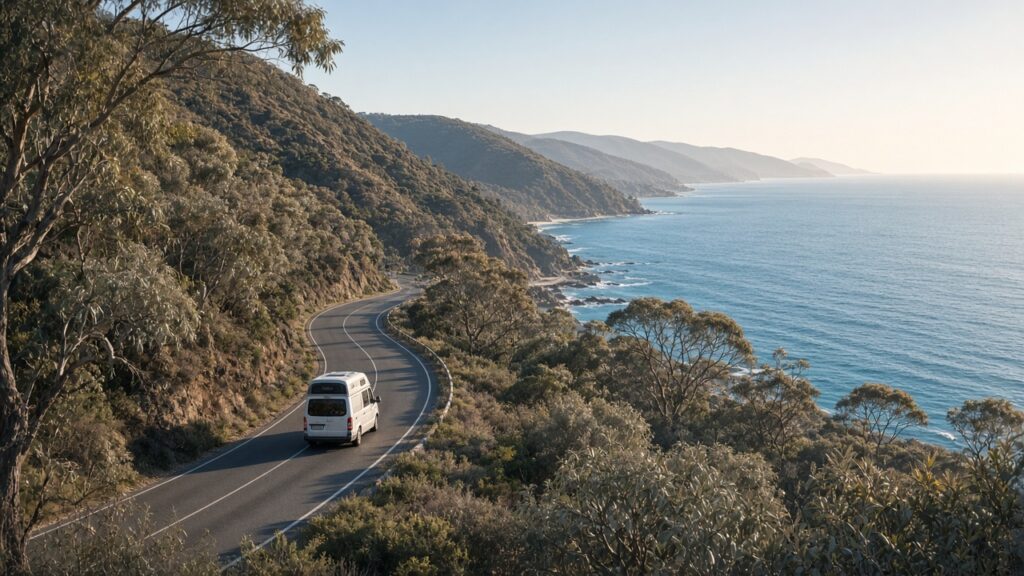
This Australia travel guide is a general, evergreen introduction for anyone planning a holiday in the country, whether you live here or are exploring your own backyard. It does not rely on current prices, offers or conditions, so check up-to-date details before you book anything.
Understanding scale and distance
The most common planning mistake is underestimating how big Australia is. Cities that look close on a map can be a full day’s flight or several days’ drive apart. Long stretches between remote towns often have limited fuel, food and mobile coverage.
A few principles help keep an itinerary realistic:
- Choose a focus. One state or region explored well is usually more rewarding than a rushed lap of the continent.
- Allow buffer time. Driving, ferries and regional flights can all run late, so avoid tight connections.
- Count travel days. Long transfers are part of the trip, not free time between activities.
Matching seasons to regions
Australia spans very different climates, and the seasons are the reverse of those in the northern hemisphere. Summer runs roughly from December to February and winter from June to August. Southern areas have four recognisable seasons, while much of the north is better understood as a wet season and a dry season.
This affects what you can do and when. Tropical northern regions can be hot and humid, with heavy rain, flooding or road closures during the wet season, and some tours and attractions run reduced schedules. Southern and alpine areas can be cold in winter, while inland regions can be extremely hot in summer. School holiday periods also push up demand and crowding in popular destinations, so check the dates for the relevant state.
Rather than fixing dates first, many travellers pick a region they want to see, then look at the typical conditions there, using official weather and tourism sources close to departure.
Planning transport, bookings and safety
How you get around shapes the whole trip. Domestic flights suit long distances between cities, while a hire car or campervan gives flexibility on coastal and regional routes. Public transport is generally strongest within major cities and weaker in regional areas, so confirm how you will reach the places that interest you.
Some practical points worth covering early:
- Book popular items ahead. Accommodation, national park permits and well-known tours can fill up in peak periods.
- Read cancellation terms. Weather and other disruptions can change plans, so flexible bookings add protection.
- Consider travel insurance. Check what it covers, particularly for remote travel, activities and cancellations.
- Respect local conditions. Heed warnings about surf, sun, wildlife, bushfire risk and road conditions, and follow advice from local authorities and park rangers.
If you plan to drive long distances, carry water, check fuel stops, tell someone your route and allow for fatigue. Build rest breaks into each day rather than trying to cover as much ground as possible.
With a clear region, a sensible season and flexible bookings, an Australian trip becomes much easier to manage. Start with what you most want to experience, then let distance and weather shape the rest of the plan.